
Adaptive Chair Exercises

Updated: Oct 1, 2025
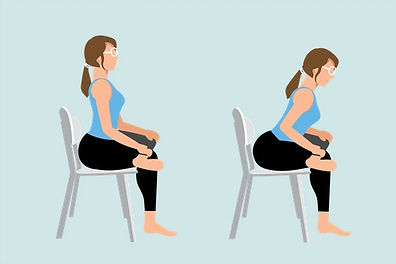
Chair Exercises are low-impact, full-body movements performed while seated or using a chair for support. This accessible form of exercise is designed to enhance strength, flexibility, balance, and circulation. It’s especially beneficial for older adults, individuals with limited mobility, those recovering from injury, or anyone seeking a gentle yet effective way to stay active.
Many exercises typically done standing can be adapted for a seated position with simple modifications. Below are a few examples of chair-based exercises you can try.
Size of Group
Unlimited – depending on the number of chairs and helpers available.
Equipment
Sturdy chairs (preferably without wheels)
Optional: light hand weights, resistance bands, or small balls
Optional: Add light music in the background to create a calming and engaging environment.
Objective
Promote relaxation
Improve attention and body awareness
Encourage creativity through movement
Increase flexibility, strength, and circulation
Directions
Ensure each participant is seated comfortably in a sturdy chair with enough space around them to move freely.
Begin with gentle warm-ups like shoulder rolls and neck stretches. Move into a series of low-impact exercises such as:
Seated marching
Sit tall with feet flat on the floor. Lift one knee toward your chest, then lower and switch sides, mimicking a marching motion.

Arm reaches
While seated, raise one arm overhead and reach to the opposite side. Switch arms after a few reps.

Torso twists
Cross arms over your chest or place them on your shoulders. Gently twist your upper body to one side, then the other.

Leg extensions
Extend one leg forward until it is straight, hold for a few seconds, then lower. Alternate legs.

Arm circles
While seated, extend your arms out to the sides and slowly rotate them in small circles forward, then backward.

Keep the pace slow and intentional, encouraging participants to listen to their bodies and rest when needed.
Finish with deep breathing or light stretching to promote relaxation and mindfulness.
Adaptations:
Adapt each movement to participants’ abilities, offering support or modifications as needed. For example:
Reduce range of motion
Perform smaller, gentler movements to avoid strain.
Use support
Keep hands lightly resting on chair arms or a nearby stable surface for balance.
Slow the pace
Move more slowly to maintain control and reduce risk of injury.
Limit repetitions
Do fewer reps and take breaks as needed.
Use props for more of a challenge
Add light resistance bands or soft balls for easier grip and gentle strengthening.
Encourage seated only if balance is a concern
Disclaimer:
As a Certified Recreation Therapist, I aim to provide safe, inclusive, and engaging activity ideas based on my professional experience. However, the information shared in this blog is for general educational purposes only and should not replace medical advice from a physician or qualified healthcare provider.
Before starting any new physical activity, especially if you have pre-existing conditions or mobility concerns, please consult with your doctor or healthcare provider. Participation in any activity is voluntary and done at your own risk. Always listen to your body and modify as needed.
For more chair exercises, click the links below:
Videos:

Comments